hair
As the founder of Ironic, a meteorology company based in Brooklyn, Mr. Leavitt, 33, knows how temperatures and atmospheric conditions can sometimes affect weddings. […] Mr. Leavitt, who said he has conducted weather advisory for more than 2,400 events, now works as a consultant to wedding planners and venues, with fees starting at around $2,500. […]
While we can’t predict if there will be rain that day, what we can do is look at the historical weather data. We look at a specific mile in a location around the country over the past 30 years, and analyze the information. Say it’s rained three out of seven days, five out of seven days or seven out of seven days — that tells you a lot. If you know it’s going to rain five out of seven days, it’s a good idea to find a venue with an indoor option. If it’s raining once out of seven days, you can plan for an outdoor wedding.
We’re tracking every radar possible, every reporting data possible, and creating a clear picture of what the weather will be on a specific day. […] For a wedding in Martha’s Vineyard, Mass., we used marine data to look at the wave height to determine when boats should transport guests for the easiest ride with the most peaceful, calm waters. At what time will people become less seasick? We did it in Lake Como, Italy, too.
For a Florida wedding on the beach, a couple wanted to get married outside in the afternoon, but didn’t want guests to be sitting in direct sunlight or holding up parasols and blocking the view. We produced a sun study — looking at the topography of the land, trees on the property, angle of the sun, height of the house and the sun’s path — to choose the precise time to start the ceremony with the most shade.
As meteorologists, we should never ever suggest what people do with their hair. But we can give you all the information on wind, speed, humidity and temperature, so you can take that to a hair stylist. If someone has naturally frizzy hair in a humid climate, or they’re more likely to sweat that leads to oily hair, we can give them the context so they can plan.
{ NY Times | Continue reading }
art { Ellen Gallagher, DeLuxe, 2004–5 (detail) }
elements, hair, temperature | June 24th, 2023 6:50 am
It’s hard to remember a time when scrolling through Instagram was anything but a thoroughly exhausting experience.
Where once the social network was basically lunch and sunsets, it’s now a parade of strategically-crafted life updates, career achievements, and public vows to spend less time online (usually made by people who earn money from social media)—all framed with the carefully selected language of a press release. Everyone is striving, so very hard. […]
Back in the 1990s […] nobody cool was trying to monetize their lifestyle […] But somewhere in the early 2000s, the slacker of popular culture lost ground to the striver. […]
The internet influencer is the apotheosis of all this striving, this modern set of values taken to its grotesque extreme: Nothing is sacred, art has been replaced by “content,” and everything is for sale.
{ Rosie Spinks | Continue reading }
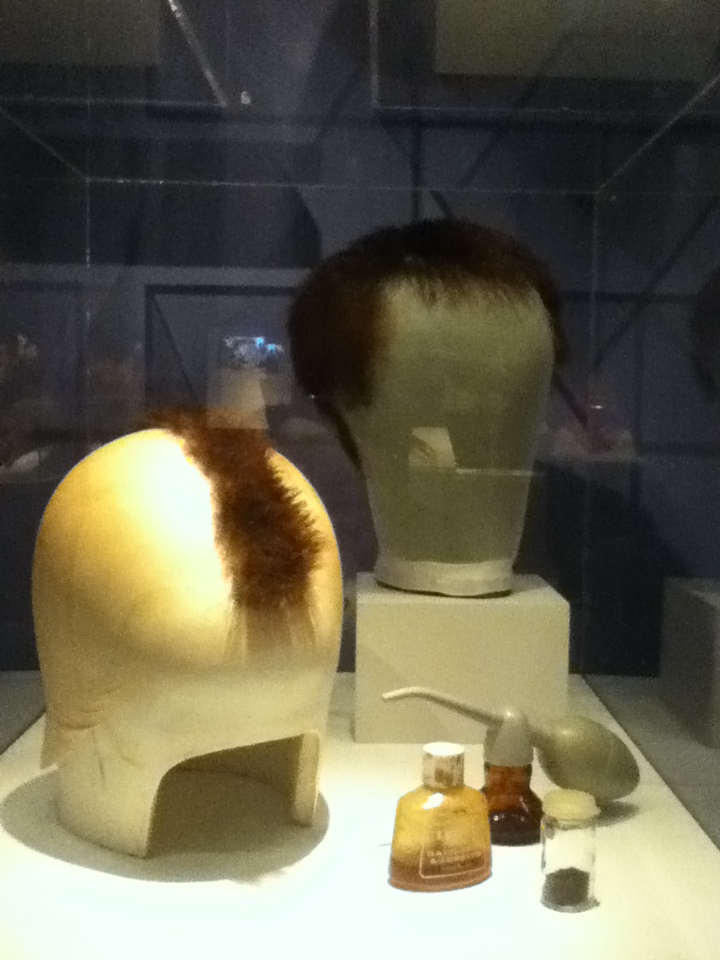
image { De Niro’s wig from Taxi Driver }
hair, social networks | June 8th, 2021 2:03 am
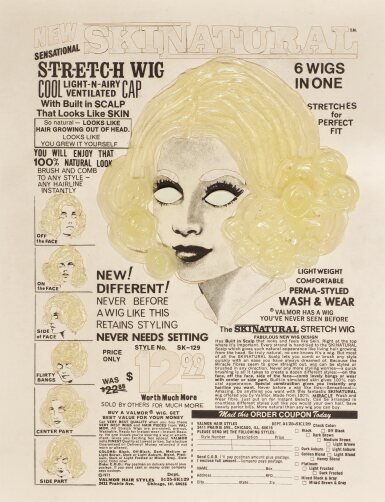
fashion, hair | November 12th, 2020 3:55 pm
Piper Jaffray analyst Stan Meyers said animated films generally cost about $100 million to make, as well as an additional $150 million to promote.
An executive producer who wants to drastically cut costs traditionally has two choices: water and hair. Those are the most expensive things to replicate accurately via animation. It’s no mistake that the characters in Minions, the most profitable movie ever made by Universal, are virtually bald and don’t seem to spend much time in the ocean.
{ Bloomberg | Continue reading }
economics, hair, showbiz, visual design, water | March 21st, 2016 6:35 am
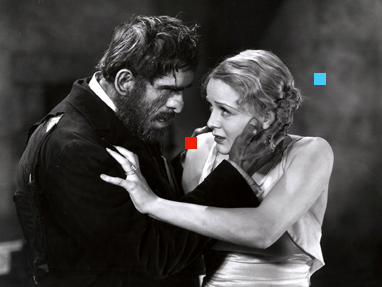
Facial hair, like many masculine secondary sexual traits, plays a significant role in perceptions of an array of sociosexual traits in men.
While there is consensus that beards enhance perceptions of masculinity, age, social dominance, and aggressiveness, the perceived attractiveness of facial hair varies greatly across women.
Given the ease with which facial hair can be groomed and removed entirely, why should some men retain beards and others choose to remove them?
We hypothesized that men with relatively sexist attitudes would be more likely to allow their facial hair to grow than men with less sexist attitudes. […] Men from the USA (n = 223) and India (n = 309) […] Men with facial hair were significantly higher in hostile sexism than clean-shaven men; hostile sexism was a significant predictor of facial hair status.
{ Archives of Sexual Behavior | Continue reading }
hair, relationships | February 11th, 2016 1:10 pm
art, hair | January 28th, 2016 2:26 pm
colors, hair | July 18th, 2015 5:11 am
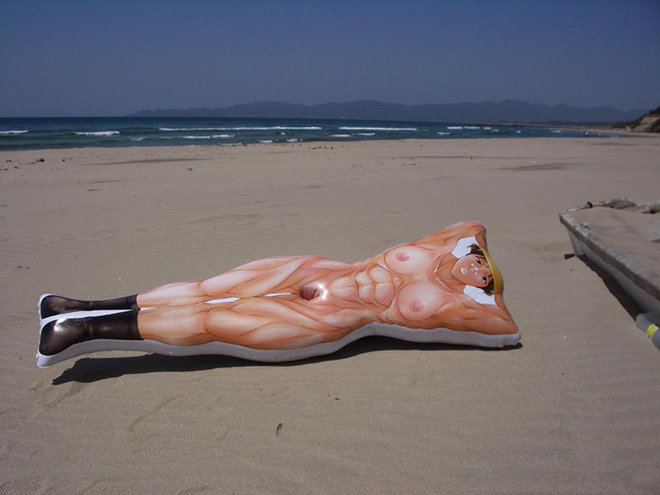
Hairless female genitalia have an obvious association, and that is with pre-pubescent girls. Where there are hairless genitalia, surely the unwelcome suggestion of the childish body is never far away.
Women, more than men, prink and preen our bodies to bend to the rules of attraction – to look more youthful and even, you could argue, more childlike. Leg-shaving, lip-reddening, eyelash-darkening, hair-lightening – all these hint at the flawless childish state. But it is adult women who have sex and, surely, adult women to whom men want to make love.
Removing pubic hair is painful – agony, actually, according to those who have succumbed to waxing the area, which is the most efficient way to go about it. It’s painful when it grows back, and it’s expensive. It is also dangerous. Last year, Emily Gibson, director of the health centre at Western Washington University in the USA, launched an appeal to put a stop to the trend for hair removal because, she claimed, it increases the risk of infection and sexually transmitted diseases. “Pubic-hair removal,” she said, “naturally irritates and inflames the hair follicles, leaving microscopic open wounds.” She also said it was not unusual to see patients with boils and abscesses on their genitals from shaving.
{ Independent | Continue reading }
hair, health | April 13th, 2015 2:08 am
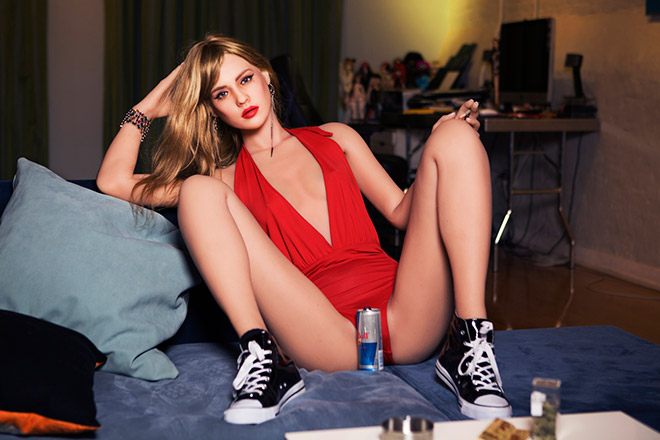
This study examines the relationship between physical appearance and labor market outcomes. It focuses on hair color and addresses the effects of the “blonde myth,” a series of perceptions about personality characteristics of blonde women.
Inexperienced blonde women earn significantly less than their non-blonde counterparts. This wage gap declines over time, and blonde women with more work experience earn higher wages.
The relationship between earnings and hair color is not explained by personal or family characteristics. I argue that employer or customer tastes drive the initial blonde hair penalty; job sorting and mobility allow blonde women to close the gap.
{ Labour Economics | Continue reading }
photo { Stacy Leigh, average americans (that happen to be sex/love dolls) }
economics, hair | December 16th, 2014 11:48 am

For all those brunettes wishing they were naturally blond, a small genetic change could have made all the difference. Scientists have found that replacing one of DNA’s four letters at a key spot in the genome shifts a particular gene’s activity and leads to fairer hair. Not only does the work provide a molecular basis for flaxen locks, but it also demonstrates how changes in segments of DNA that control genes, not just changes in genes themselves, are important to what an organism looks like. […]
Over the past 6 years, studies of genetic variation in thousands of people have linked at least eight DNA regions to blondness based on the fact that a certain DNA letter, or base, was found in people with that hair color but not in people with other hair colors. Some of those base changes, or single-nucleotide polymorphisms (SNPs), were in genes involved in the production of pigments, such as melanin. Mutations in these genes typically change skin and hair color. Other SNPs lay outside genes but could be part of the regulatory DNA that helps control the function of genes nearby. Changes in that regulatory DNA could result in hair color but not skin color change, or vice versa, because regulatory DNA can change gene activity in just certain parts of the body.
{ Science | Continue reading }
related { Smokers with gene defect have one in four chance of developing lung cancer }
genes, hair | June 2nd, 2014 7:23 am
haha, hair, health, photogs | March 21st, 2014 3:11 pm
hair, photogs | May 2nd, 2013 5:15 am
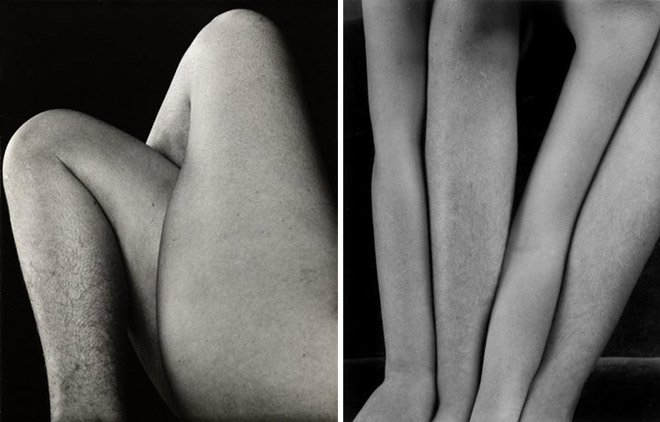
I stopped shaving. Legs, pits, bits – I ceased cultivation and let them revert to a state of nature. (…) I smell exactly the same as I did before. (…) I have changed the way I dress a little.
{ Vagenda | Continue reading }
photo { Edward Weston, Legs, 1934 | Edward Weston, Charis Wilson, 1934 }
related: Edward Weston, Nudes, Oceano Dunes, 1936:
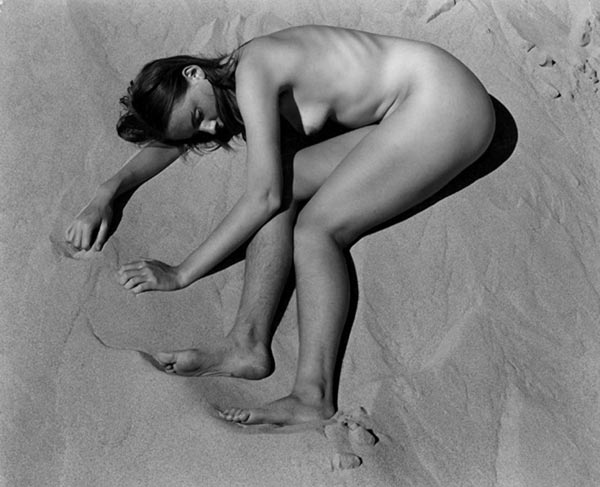
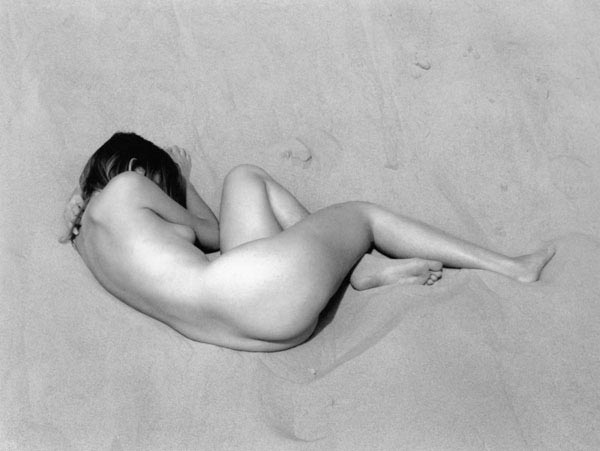
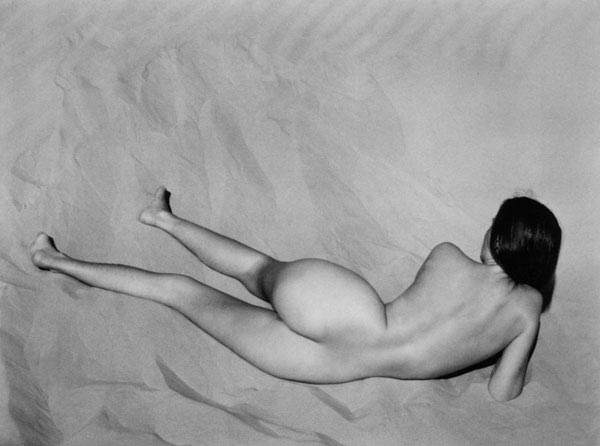
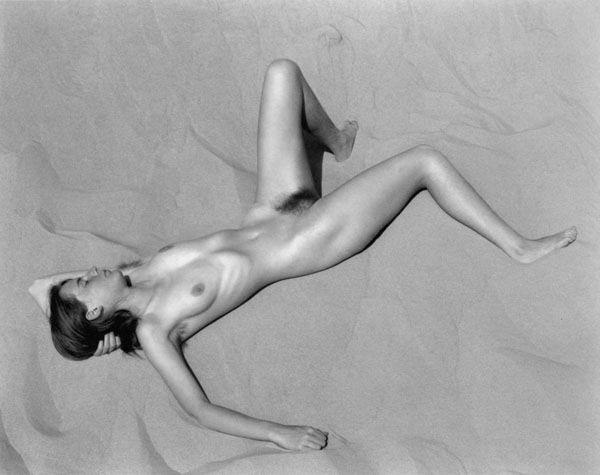
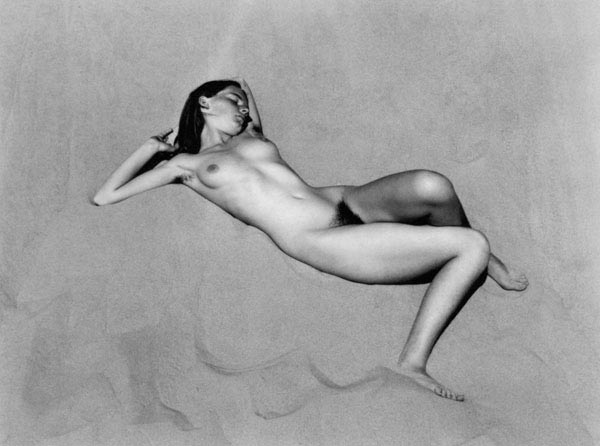
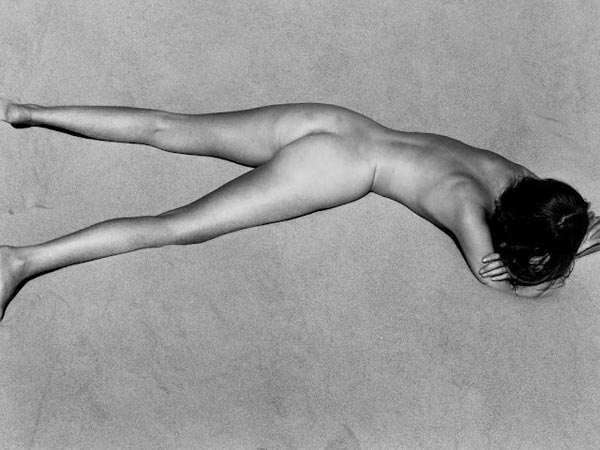
Although Weston preferred an 8 X 10 camera, he made increasing use while in Mexico of his 3-1/4 X 4-1/4 Graflex - hand held even at exposures as long as 1/10 second. To enlarge these negatives on platinum or palladium paper was tedious. An enlarged negative had to be made. First an 8 X 10 inch glass positive was made from the small negative. From this, in turn, he made a new negative, which he then printed by contact. Apparently he never printed by projection -although it was entirely practical to do so with gelatino-bromide papers which were then readily available. On his return to California he abandoned platinum and palladio papers, and settled on glossy chloro-bromide papers — which he invariably printed by contact.
{ Edward Weston’s Technique | Continue reading }
experience, hair, photogs | April 26th, 2012 7:09 am
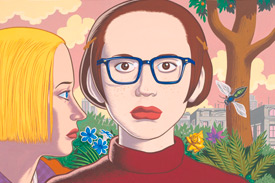
Studies have indicated that redheads may be more sensitive to pain and may need more anesthetics to numb them.
A research published in the Journal of American Dental Association found that painful experiences at the dentist might cause more anxiety for men and women with red hair, who were twice as likely to avoid dental care than people with dark hair.
{ CNN | Continue reading }
hair, health | April 20th, 2012 8:18 am
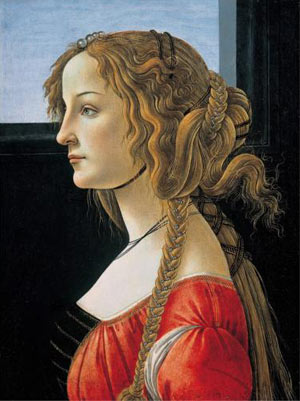
A general continuum theory for the distribution of hairs in a bundle is developed, treating individual fibers as elastic filaments with random intrinsic curvatures. Applying this formalism to the iconic problem of the ponytail, the combined effects of bending elasticity, gravity, and orientational disorder are recast as a differential equation for the envelope of the bundle, in which the compressibility enters through an ‘equation of state’. From this, we identify the balance of forces in various regions of the ponytail, extract a remarkably simple equation of state from laboratory measurements of human ponytails, and relate the pressure to the measured random curvatures of individual hairs.
{ arXiv | Continue reading }
painting { Botticelli, Portrait of Simonetta Vespucci, c.1476 }
hair, science | April 9th, 2012 2:11 pm
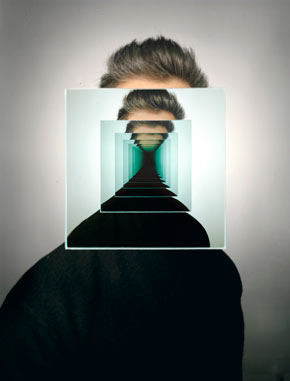
All natural hair colors are the result of two types of hair pigment. Both of these pigments are melanin types, produced inside the hair follicle and packed into granules found in the fibers.
Eumelanin is the dominant pigment in dark-blond, brown hair, and black hair, while pheomelanin is dominant in red hair.
Blond hair is the result of having little pigmentation in the hair strand.
Gray hair occurs when melanin production decreases or stops.
{ Wikipedia | Continue reading }
photo { Matthew Spiegelman }
colors, hair | April 8th, 2012 5:28 am
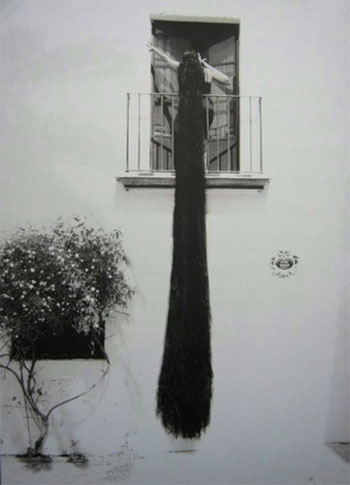
Throughout the centuries hair has been a symbol of status for wealth, class, rank, slavery, royalty, strength, manliness or femininity. And, it still holds a place of value in our postmodern era. Two novels that include hair as a major theme are Bret Easton Ellis’s American Psycho (1991) and Don Delillo’s Cosmopolis (2003). These two authors create characters heavily involved in the Wall Street world but also swallowed up in their depthless narcissism.
In American Psycho we are introduced to twenty-eight year old Patrick Bateman, a psychopath serial killer who is also a wealthy, narcissistic Wall Street broker. Bateman’s first person narrative is filled with the gruesome crimes he commits, but they are narrated in such a way that it is never clear if he is actually performing the murders. He is obsessed with the material world and confines his life to eating at fancy restaurants, womanizing, purchasing name brand clothes and the most up-to-date electronics, and ensuring the preciseness of his hair.
Twenty-eight year old Eric Packer of Cosmopolis follows many of the traits of his predecessor, but, instead of aimless wandering from fashionable restaurants to name brand designer shops, Packer sets out across New York on a mini-epic journey for a haircut. In his maximum security limousine, Packer views the world from multiple digital screens and purposefully loses his entire financial portfolio in a gamble against the Japanese yen. Within these two novels, hair functions as the external symbol of inward turmoil. Hair becomes a primary symbol through which these two authors create a harsh critique of the modern world of technology, consumerism, and emptiness.
{ Wayne E. Arnold | Continue reading }
books, hair | March 20th, 2012 12:20 pm
fashion, haha, hair | January 24th, 2012 10:54 am
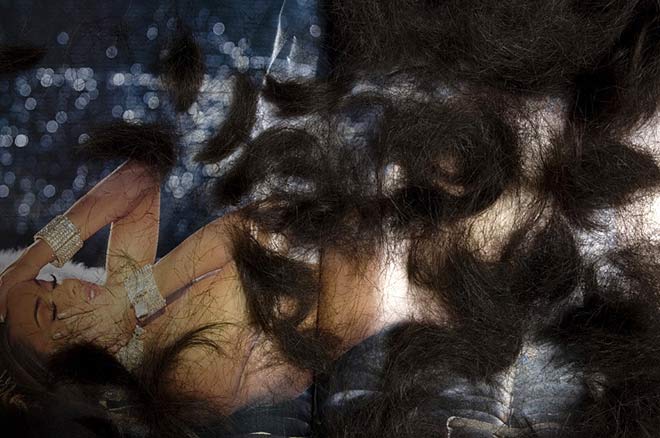
Scalp hair grows, on average, at a rate of about half an inch per month, and shampoos or vitamins have not been shown to noticeably change this rate. Hair growth rate also depends upon what phase in the cycle of hair growth one is actually in; there are three phases:
• anagen is the growth phase;
• catagen is the involuting or regressing phase;
• telogen, the resting or quiescent phase.
Scalp (different hair color and follicle shape affects the timings of these phases):
• anagen phase, 2–3 years (occasionally much longer)
• catagen phase, 2–3 weeks
• telogen phase, around 3 months
Eyebrows, eyelashes, arms, legs, etc:
• anagen phase, about 30-45 days
• catagen phase, 3–4 weeks
• telogen phase, about 9 months
{ Wikipedia | eMedecine }
related { What’s the purpose of pubic hair? }
photo { Chad Muthard }
hair | July 22nd, 2011 8:48 pm
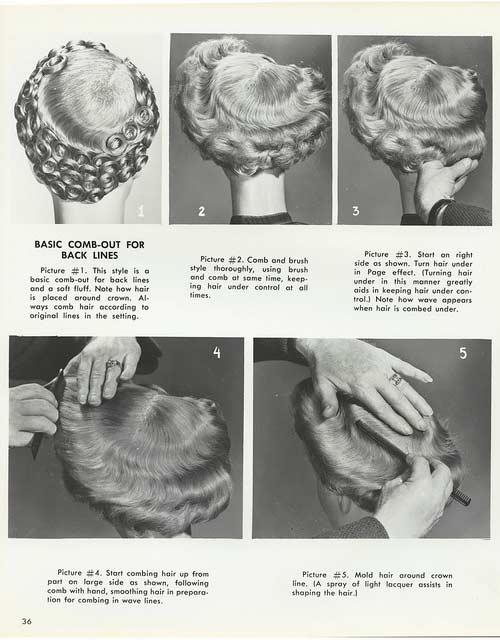
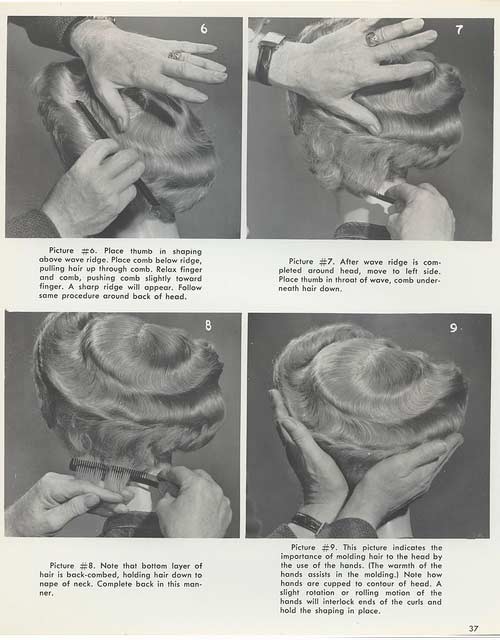
flashback, guide, hair, visual design | February 25th, 2011 9:30 am